Why Does My Activewear Still Smell? The Science Behind "Permastank" (and How to Get Rid of It)

Why Does My Activewear Still Smell? The Science Behind "Permastank" (and How to Get Rid of It)

You wash your workout clothes after every wear. They come out of the laundry looking clean. But the second you start exercising again, that familiar musty odor comes right back.

If you've ever wondered, "Why does my activewear still smell after washing?", you're not imagining it. It's one of the most common complaints people have about performance fabrics, and there's actually a scientific reason behind it.

The good news is your performance leggings, sports bras, and running shirts probably aren't ruined. They just need to be cleaned differently than traditional cotton clothing.

Here's why activewear develops what's often called "permastank" — and how to eliminate it for good.

Why Does Activewear Hold Onto Odors?

Modern athletic apparel is designed to manage sweat, not absorb it.

Most workout clothing is made from synthetic performance fibers like polyester, nylon, elastane, or recycled blends. These fabrics excel at wicking moisture away from your skin, helping you stay cooler and drier during exercise.

The downside is that synthetic fibers are naturally oleophilic, meaning they attract and hold onto oils. Performance fabrics also tend to have more complex weaves than traditional cotton clothing, creating more places for oily, organic stains — and the odor-causing bacteria that feed on them — to become trapped.

That includes:

• Body oils
• Sebum
• Sunscreen
• Deodorant residue
• Skin cells
• Sweat-related compounds

While sweat itself is mostly water and odorless, bacteria feed on these oils and residues, producing the unpleasant smells we associate with sweaty gym clothes.

Over time, those oils become trapped deep within performance fabrics, creating a cycle where odors survive the wash and seem to "reactivate" as soon as the garment warms up against your body.

That's permastank.

Why Regular Laundry Detergent Doesn't Always Work

Many conventional detergents are designed primarily to remove visible dirt and surface-level stains. The problem is that odor-causing residue isn't always visible.

Body oils can bind tightly to synthetic fibers, where traditional detergents often struggle to break them down completely. Instead of removing the source of the smell, they may leave behind microscopic buildup that accumulates wash after wash.

Some products make clothes smell fresher simply by layering fragrance over lingering odor molecules. Your clothes may smell great coming out of the dryer — but that fragrance quickly fades once the trapped residues heat up during your next workout.

If your activewear smells clean until you start exercising, chances are the odor-causing buildup never actually left.

Why Fabric Softener and Dryer Sheets Can Ruin Activewear

Many people reach for fabric softener hoping to make workout clothes feel softer or smell fresher.

Ironically, it often has the opposite effect.

Fabric softeners and dryer sheets work by coating fibers with conditioning agents that create a smoother feel. On activewear, that coating can interfere with the moisture-wicking technology the fabric was designed to provide.

On performance fabrics, that coating can:

• Trap body oils and odor-causing residue
• Reduce moisture-wicking performance
• Decrease breathability
• Leave additional buildup inside synthetic fibers
• Make it harder for detergent to clean effectively over time

The result is clothing that may feel soft initially but becomes increasingly difficult to fully clean.

If you're battling stubborn odors, skipping fabric softener is one of the easiest changes you can make.

The Best Way to Remove "Permastank"

Because the problem is trapped organic residue — not just surface dirt — you need a detergent that targets it at the molecular level.

This is where bioenzymes make a meaningful difference.

Rather than relying solely on traditional surfactants, which depend heavily on agitation to lift soils away, enzymes act as active stain fighters, breaking down the proteins, oils, starches, and other organic materials that bacteria feed on.

Instead of masking odors, they help remove the source.

For activewear that's developed a persistent smell, pairing an enzyme-powered detergent with an enzyme booster can help tackle years of accumulated buildup.

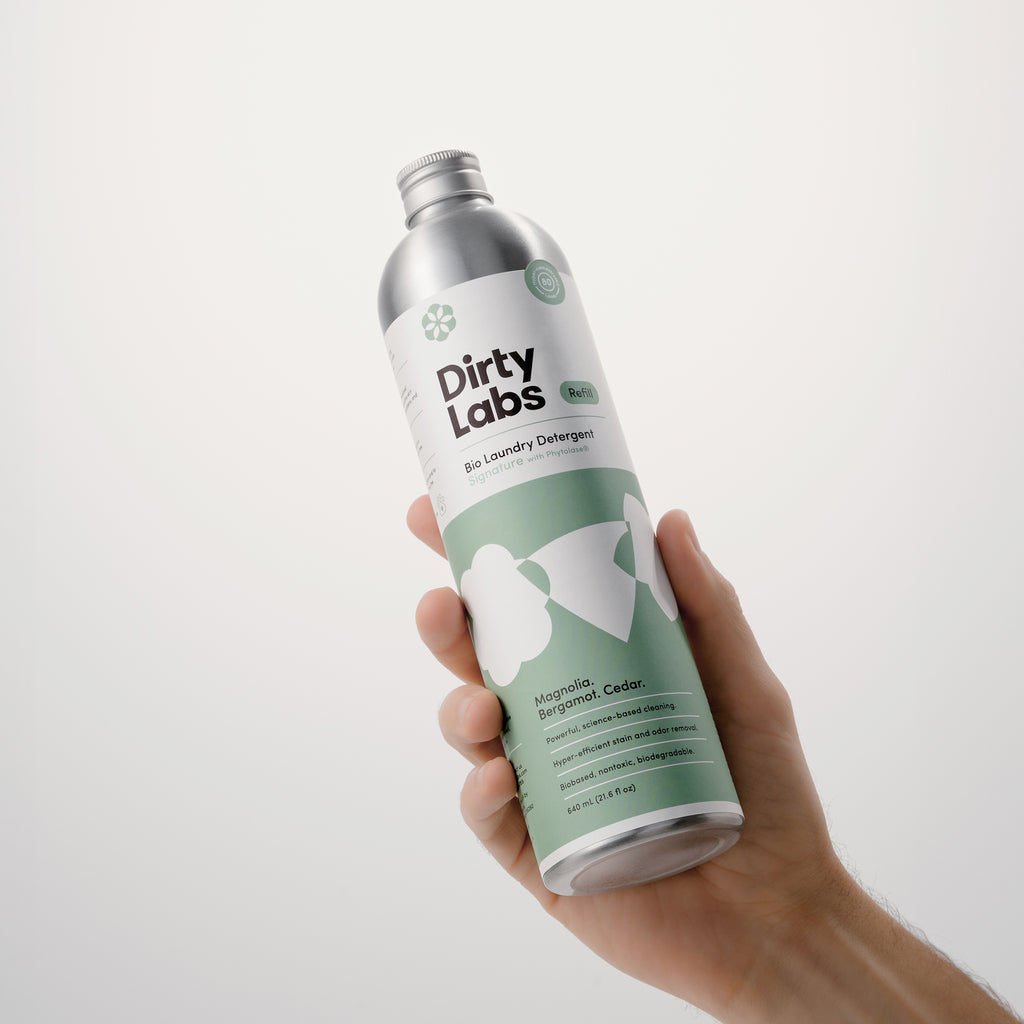
Bio Enzyme Laundry Detergent Bio Enzyme Laundry Booster At Dirty Labs, our Bio Enzyme Laundry Detergent uses our proprietary Phytolase® technology to break down stubborn organic soils while remaining gentle on technical fabrics. Unlike formulas where enzymes play a supporting role, Dirty Labs is enzyme-driven, with a high concentration of enzymes doing much of the heavy lifting. For particularly stubborn odors, our Bio Enzyme Laundry Booster adds an extra concentration of cleaning enzymes designed to help remove deep-set residue that traditional detergents often leave behind.

It's especially effective for:

• Gym clothes
• Running apparel
• Sports bras
• Yoga clothing
• Cycling jerseys
• Hiking gear
• Moisture-wicking base layers
• Performance uniforms

How to Wash Activewear So It Actually Gets Clean

If your workout clothes have developed permastank, a few changes to your laundry routine can make a noticeable difference.

Wash Soon After Wearing

Letting sweaty clothes sit in a gym bag or laundry hamper gives bacteria more time to multiply and allows oils to settle deeper into fibers.

Whenever possible, wash activewear within a day of wearing it.

Wash in Cold Water

Cold water helps preserve stretch, elasticity, color, and the technical finishes that make performance fabrics work.

A quality enzyme detergent can still clean effectively in cold water without exposing your gear to unnecessary heat.

Skip Fabric Softener and Dryer Sheets

Performance fabrics are designed to move moisture — not be coated in conditioning agents.

Avoid fabric softeners and dryer sheets, which can leave behind residues that interfere with both performance and cleaning.

Use an Enzyme Laundry Booster for Stubborn Odors

If your gear already smells musty after washing, adding an enzyme booster can help break through layers of accumulated residue that have built up over months — or even years.

Air Dry (and Avoid the Dryer Whenever Possible)

High dryer temperatures can gradually wear down elastic fibers and technical fabrics.

Let activewear air dry whenever possible rather than putting it in the dryer. Air drying helps extend the life of your activewear while maintaining its fit and performance.

For really set-in permastank, one wash may not be enough. It can take a couple of cleans to fully break through years of accumulated buildup. Dirty Labs Bio Enzyme Laundry Detergent and Bio Enzyme Laundry Booster are formulated to work together: the Booster raises the wash pH, further activating the enzymes in optimal alkaline conditions to boost their cleaning performance. 

Can You Save Smelly Activewear?

Usually, yes.

Many people assume persistent odor means it's time to replace expensive leggings or running shirts.

In reality, the smell is often caused by buildup — not permanent damage.

With the right cleaning routine and an enzyme-based detergent that removes odor at its source, many garments can be restored even after years of stubborn smells.

FAQs