College Laundry 101: How to Do Laundry for the First Time

College Laundry 101: How to Do Laundry for the First Time

Getting settled on campus is an exciting time in anyone's life, but one of the biggest tasks to get used to is doing your own laundry. Maybe you've been tasked with this at home for a while now, but if you haven't, it can be daunting. There are a lot of steps, things that can go wrong, and items to keep track of. Before you shrink all of your favorite pants or turn your favorite campus sweatshirt pink, check out this guide for doing your laundry for the first time.

If you feel embarrassed or alone in learning this essential chore rite of passage, you're not alone. In fact, according to new research, almost half of the UK's single men don't change their bed sheets for up to four months (which we totally don’t recommend). Even adults who are beyond college and dorms have a hard time keeping up with laundry. The best plan of action is to focus on doing one step at a time.

Before You Start Doing Laundry

Having a well-oiled laundry system starts before you get down to your dorm's shared laundromat. In your room, you want to have a hamper or basket for your dirty clothes, and a tote bag with all of the items you need to do laundry. 

Know what care your garments need 

The best thing you can do for your clothes, and to make them last, is know what your favorite pieces need. This doesn’t have to be super intense or make your process super involved, but it’s important to know that different kinds of fabric have distinct needs. 

• Check your pockets: You’ve likely heard this for much of your life already if someone in your family did your laundry. Before you toss that pile of laundry into the wash you want to make sure that there isn’t any gum, tissues, pens, or a beloved airpod in any of your pockets.

• Prepare your garments: No, literally, it’s always best top zip up any zippers, tie drawstrings, fasten hooks (especially on bras), pull all pockets inside out. 

• Turn jeans inside out to reduce fading your denim. Unlike the zippers, any buttoned garments should be unbuttoned.

• Read the labels on your clothes: The tags on your clothes aren’t just there it annoy you, believe it or not. They actually have information on what your clothes are made of and what kind of care they should receive. Some tags may say “hand wash” “hang dry only” “dry clean only”, “machine wash cold” and more.

• Follow all laundering directions that read “dry clean only,” “wash cold with like items” and others like them for the best success.

This includes:

•    Laundromat card or extra coins

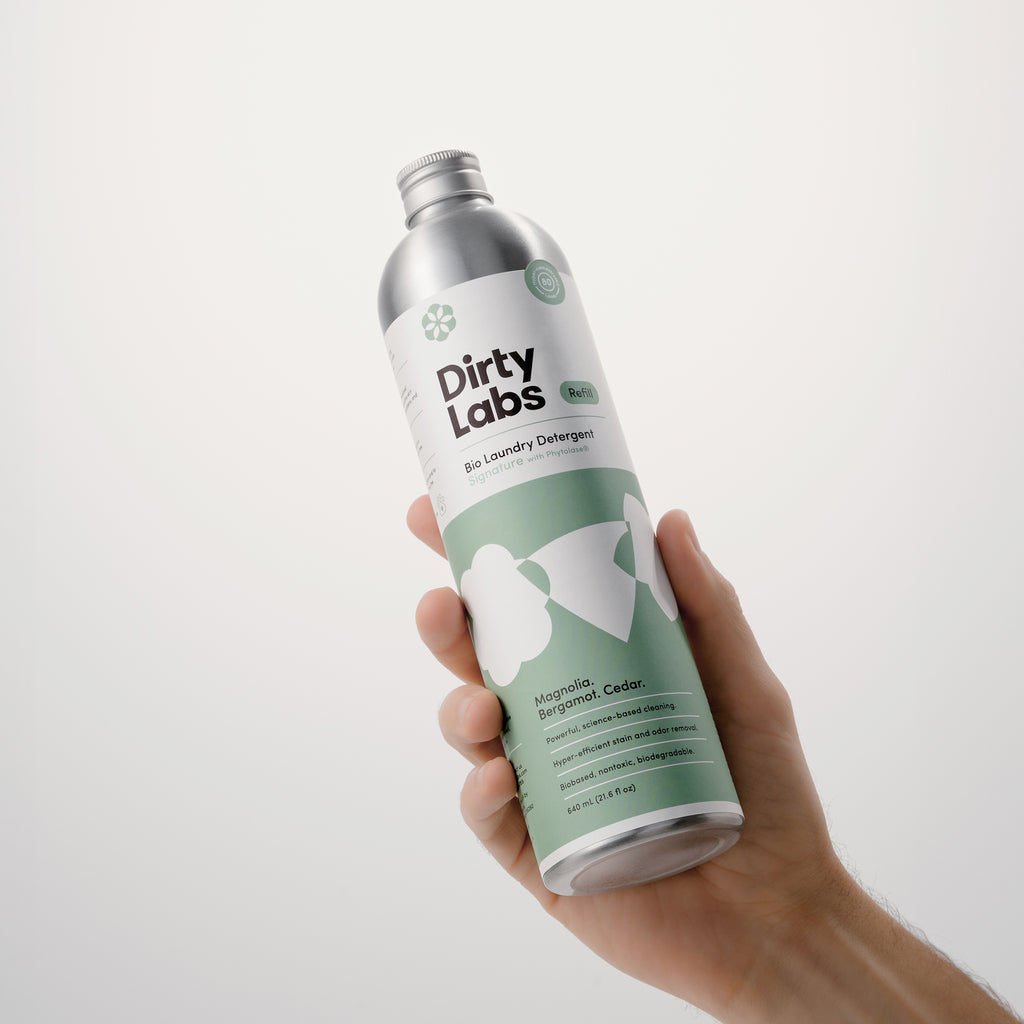
•    Laundry detergent (a concentrated, nontoxic formula means fewer bottles to haul back and forth — always a win in a dorm)

•    dryer balls

Feel free to take a peek at the laundry room before you cart a basket full of clothes down there. There will usually be a sink if you need to get any stains out of your favorite pieces before tossing them in. Take note of how people are expected to pay for the machines: sometimes it can be through cards you add money to, or it can be done by quarters.

How to Sort Laundry: A Simple Guide for First-Timers

Sorting your clothes before washing can often be a major source of confusion when people are figuring out how to do laundry the first time. The truth is that it can be needlessly complex, but here's a good guide to reference:

•    Whites

•    Lights (light-colored clothes)

•    Darks

•    Colors (combined lights/darks if your college laundry pile is small)

•    Towels & bedding

Basically, you should always group your white clothing together and wash it on its own. Then take your colored clothing and split them into colors (lights) and darks. If you don't have that many clothes with you at college, it is okay to combine that group into one (colors) as long as you don't have any brand new richly colored pieces like a bright red campus sweatshirt. This is because colors from the fabric of your favorite clothes can bleed in the wash, and lighter fabrics, especially whites, can tend to absorb that color. 

This is why you hear about people's white T-shirts and pants tragically accruing a purple or red hue after going in the wash. Towels and bedding can also be pulled out into a separate pile as well. If you're trying to save money, though, it's safe to wash towels and linens based on their color.

How to Treat Stains Before Washing

Before you toss your first load of dirty laundry into the washing machine, you may want to spot-treat any stains that won't be resolved with just detergent. If you’re using Dirty Labs products you don’t need to address this step as Dirty Labs’ Bio Enzyme Laundry Detergent and Laundry Booster utilize advanced targeted enzymes to break down hard-to-treat stains on a molecular level.

Spot treating is the term for spraying pesky stains with a stain remover or by dapping a small amount of the Dirty Labs’ Bio Enzyme Laundry Detergent directly onto the stain to spot treat. Stains that need more help than just a toss into the wash include: coffee, wine, tea, berries, tomato sauce, blood, ink, paint, glue, and more. Bio-stains are any stains caused by biological functions or items like plants, bodily fluids, or organic foods. 

To get really difficult stains out, it's best to look up what to do based on the stain material and the material of the fabric. If you want your whites to be whiter or to fight bio-stains, you can always add Dirty Labs’ Bio Enzyme Laundry Booster to your load, too. Checking the tag inside your garment can also tell you what to do for stains. (Want a deeper dive? Check out our full guide on how to remove almost every type of clothing stain.)

How to Start Your First Load of Laundry

Ok, it's time to start your first load. Take care not to overstuff the machine; you shouldn't have to shove or force clothing into the opening. It's best if the machine is only ⅔ of the way full, so that the clothes can move around in the remaining ⅓ of space. This is so that the clothes have room to move around and therefore the detergent and water can pass through the fabric and take dirt and bacteria with it. Add your recommended amount of detergent to the tray that pulls out at the top corner of the machine. There will be sections clearly marked for detergent, bleach, and fabric softener. Carefully read the instructions on your detergent of choice to note how much they recommend for each load. Despite your best sensibilities, more detergent does not equal cleaner clothes. Detergent is specially formulated, highly concentrated soap that can become less effective at cleaning your clothes if you add too little or too much product.

What Water Temperature Should You Wash Laundry On?

Now it's time to choose the correct cycle for your wash. You will have the option between cold, warm, or hot water and normal, heavy duty, delicate, and sometimes quick. The options can be confusing at first, but here's a helpful guide:

• Hot Water: Best for deep cleaning, killing bacteria, and whitening heavily soiled items like white cottons, bed sheets, and towels. However, it uses the most energy and can shrink or fade some clothes, (Dirty Labs rarely ever recommends hot water washing unless the garments are in need of intense sanitization. In fact, there are few stains that you should never wash in hot because it can permanently set them into the fabric. Check out our guide here.)

According to Dirty Labs’ co-founder and chief scientist, there are certain situations where washing in steam or hot water makes sense and is recommended for sanitizing and deep cleaning items that contain germs, allergens, and heavy soil. Some of these instances include:

• Sanitizing clothes, bedding, towels, and garments of sick family members

• Washing cloth diapers, kitchen towels and pet bed.

• Killing and removing molds, dust mites and insects of infested items

Higher temperatures remove germs (bacteria, viruses, and parasites) by physically disrupting their structure and essential life processes. The heat causes bacterial proteins and enzymes to denature (unfold/break down), destroying their cell membranes, and inactivating their DNA, making them unable to function or reproduce.

•    Warm Water: This offers some deeper cleaning while staying gentle on synthetic fabrics, jeans, and knits. It cleans well without causing major fading or shrinking.

•    Cold Water: Best for dark or bright colors that bleed, and delicate fabrics like wool or silk. It saves energy and protects clothes from damage, though heavy stains may need pre-treating. This setting is always the best option when using a detergent optimized for cold water like Dirty Labs’ Bio Enzyme Laundry Detergent. 

Basically, you will usually want to select cold or warm water and a normal cycle. The other cycles are useful when you have highly soiled laundry from sports practice or ceramics class (heavy duty), or you're washing less durable items like lingerie, silk blouses, or pieces with sequins and beadwork.

With the emergence of cold water optimized laundry detergents, washing in steam or hot water (130°F - 150°F) is no longer a necessity in your laundry care routine. We generally don’t recommend washing and drying in high temperatures, especially for colors, high-performance synthetic apparel, and delicates, where heat can encourage fading, damage fabric fibers, and age clothes faster.

While washing at higher temperatures does boost laundry detergent performance, a warm wash (90°F - 110°F) setting is sufficient to remove tough or old stains, while still protecting your clothes and fabrics from heat damage.

For lightly soiled daily care, we recommend cold water washing at 60-80F, which is ideal for preventing shrinking, fading, and fabric damage and reducing energy costs.

How to Dry Your Clothes the Right Way

You did it! At this point you have completed washing your first load of laundry, and now it's time to dry it. Drying can be trickier than washing, but there's no need to fear if you come prepared with knowledge of how it all works. As soon as your washer is finished, you want to move it all to a dryer. This is because, in a shared laundry room, some people may get impatient and put your sopping wet laundry on the floor or on top of the machine. Hopefully, that's not the case, but it's always good to move wet laundry as fast as you can because wet clothing can quickly develop foul odors, bacteria, mildew, and mold in a matter of hours. 

Pull out the items you need to hang dry

As you are putting your load in the dryer, you may want to pay attention to some items that shouldn't take a tumble in the heat. This can be a pair of jeans that is already tight or prone to shrinking, or anything that can't take the rough tumble of the dryer like sequins, lace, or beading. You will also want to hang dry any activewear and technical gear like moisture wicking jackets, or stretchy yoga pants (check out our guide to cleaning activewear for more info).

Choose your dryer cycle

Next, it's time to select the cycle for the dryer. You usually want to dry your items on low or medium heat. These options are gentler on the fabric compared to going for the Hot option. Low is the least likely to shrink your clothes, but you may have to run the load for a second drying cycle if the first doesn't dry everything all the way. 

Drying your clothes in a machine isn't your only option, either. You can also hang your laundry to dry if you have room in your dorm or housing. The thing with hanging dry clothing is that it takes a decent amount of time and you need room to have your pieces hanging with as much exposure to air as possible. A bathroom with a shower curtain bar is often a perfect place to hang dry a few items, or you can purchase a laundry rack.

Before You Leave the Laundry Room

Sometimes dormitory laundry rooms have tables for you to fold your freshly clean laundry. This is optional, but folding your laundry while it's still warm can prevent the wrinkles that come with leaving it in a pile on your bed for a while.

Before you leave the laundry room, make sure you have grabbed your laundry card from the machine, your bottles of detergent and stain remover, and that there are no stray socks left in either machine.

If there are a select few items that still feel damp, make sure to set them aside and hang them to dry when you get back to your room.

Biggest Laundry Mistakes to Avoid

•    Don't use way more detergent than recommended.

•    Don't leave wet clothes sitting in the washer for hours.

•    Don't wash everything on hot.

•    Don't dry everything on high heat.

•    Don't put stained clothes in the dryer before treating the stain.

FAQs: First-Time Laundry Questions